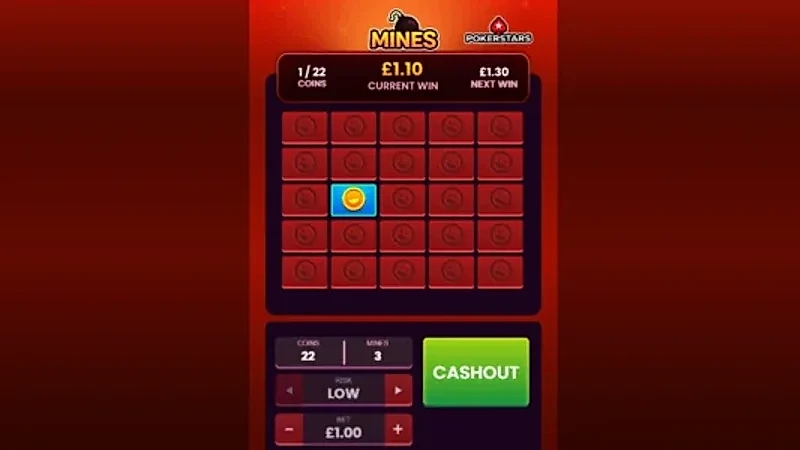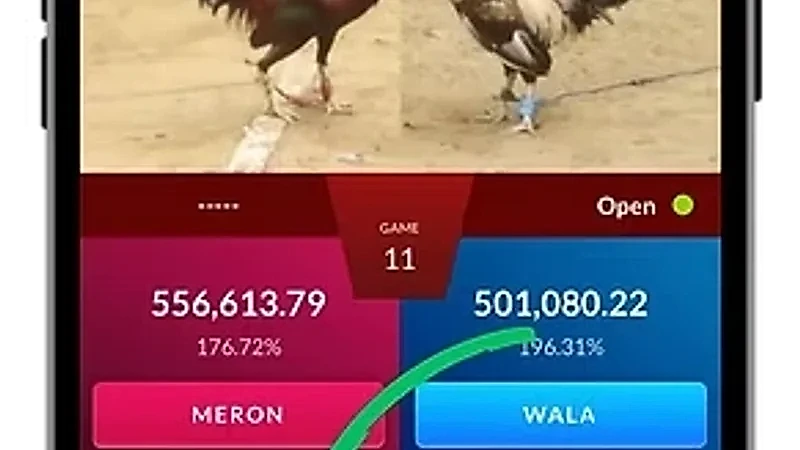

When exploring modern Philippine online casino lobbies, players encounter two distinct categories of gaming experiences: Live Dealer Tables and RNG (Random Number Generator) Games. While both formats offer the opportunity to win real money and are supervised under strict PAGCOR regulatory standards, they operate on completely different technological foundations, appeal to different player preferences, and demand different network resources. This comprehensive analytical guide examines the core distinctions between human-hosted video streams and algorithmic software games to help you choose the ideal format for your gaming style and connectivity environment.
Overview of Technological Foundations
Before comparing individual features, understanding how each format functions behind the scenes clarifies why their gameplay feel and pacing diverge so significantly:
Live Dealer Infrastructure
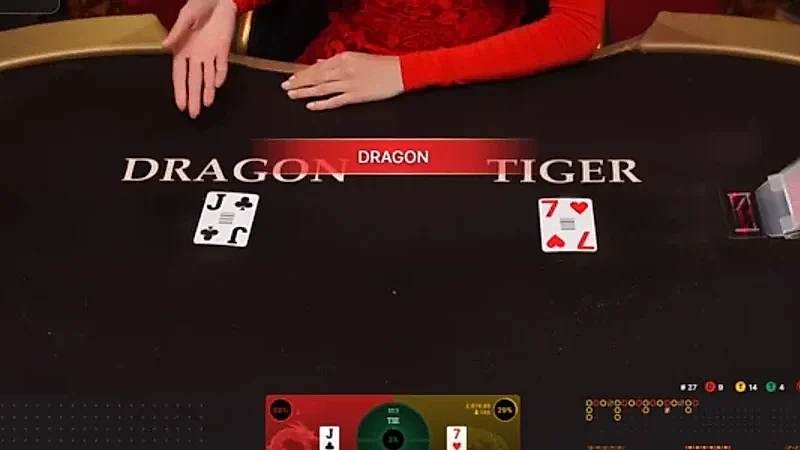
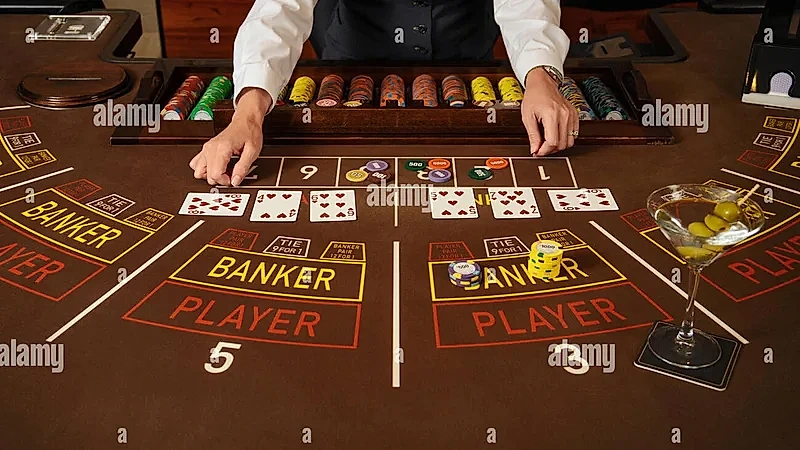
Live dealer casino games bridge the divide between brick-and-mortar physical casinos and digital convenience. Professional human dealers manage physical gaming tables inside specialized broadcast studios. High-definition cameras, optical character recognition (OCR) sensors, and continuous shuffling machines stream the action directly to your mobile device or computer monitor in real time.
Random Number Generator (RNG) Architecture
RNG games—such as digital video slots, video poker, and animated table games—are purely algorithmic software simulations. Instead of physical cards, wheels, or dice, outcomes are determined by complex mathematical algorithms that generate thousands of unpredictable number sequences per second. When you press "Spin" or "Deal", the software registers the current microsecond seed, instantly mapping it to a graphical animation.
Side-by-Side Architectural Comparison
The following matrix highlights the critical functional differences between Live Dealer and RNG platforms:
| Feature / Parameter | Live Dealer Casino Games | RNG Software Games | Practical Player Impact |
|---|---|---|---|
| Outcome Generation | Physical cards, wheels, and dice managed by humans | Cryptographic mathematical algorithms | Live offers physical visual proof; RNG offers instant algorithmic speed |
| Game Pacing | 25 to 50 seconds per round (fixed timer) | Instant (0.5 to 3 seconds per spin/round) | RNG allows rapid session play; Live provides a relaxed, social rhythm |
| Social Interaction | Real-time live chat with host and table players | Solo play with zero chat interactions | Live replicates the communal casino atmosphere |
| Mobile Data Consumption | 250 MB to 750 MB per hour (HD video feed) | 10 MB to 25 MB per hour (pre-cached code) | RNG is ideal for limited prepaid data; Live requires fast 4G/5G/Fiber |
| Table Minimum Bets | Typically 20 PHP to 100 PHP | Micro-stakes starting at 0.50 PHP to 5 PHP | RNG caters to smaller recreational budgets |
| Game Variety | Baccarat, Roulette, Blackjack, Sic Bo, Game Shows | Thousands of themed slots, arcade crash, video bingo | Massive creative diversity in RNG slot mechanics |
Transparency, Auditing, and Fairness Verification
A primary concern for Filipino players is verifying that outcomes are genuinely fair and unmanipulated:
Live Dealer Transparency
Live dealer tables provide visceral transparency because you witness every physical action in real time. You can watch the dealer draw cards from an acrylic shoe, observe the ball drop into a spinning roulette pocket, or see dice tumble in a sealed glass dome. Furthermore, specialized OCR sensors scan the micro-barcodes on cards as they leave the shoe, simultaneously transmitting the data to the gaming interface and regulatory audit logs under PAGCOR supervision.
RNG Certification and Testing Laboratories
While software algorithms are invisible to the naked eye, certified RNG games are tested rigorously by independent international laboratories such as Gaming Laboratories International (GLI), BMM Testlabs, and eCOGRA. These testing bodies run millions of simulated rounds to verify that the mathematical Return to Player (RTP) and hit frequencies strictly align with theoretical standards. In addition, modern arcade games feature Provably Fair cryptographic hashing that allows players to verify the mathematical randomness of individual rounds.
Network Bandwidth and Device Performance Requirements
Your physical location and internet connection in the Philippines play a decisive role in which format will provide the smoothest experience:
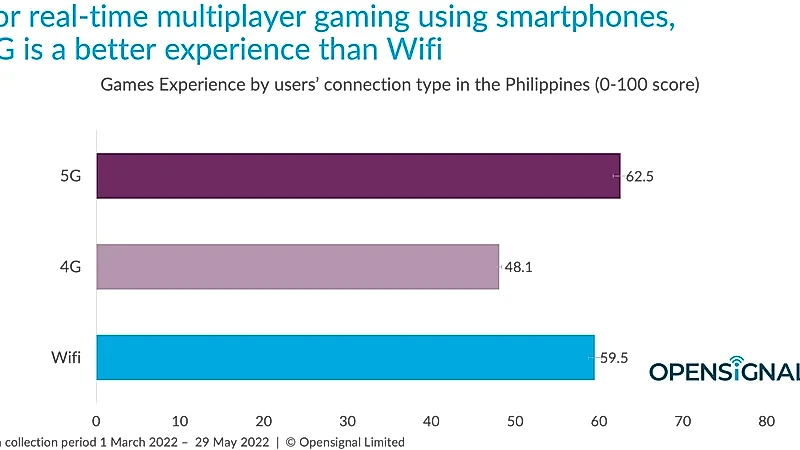
- Live Dealer Demands: Streaming high-definition 1080p video feeds at 30 to 60 frames per second requires a consistent download speed of at least 5 Mbps. If you are traveling through rural areas with patchy mobile coverage, video buffering can lead to missed betting windows or graphical stutter.
- RNG Lightweight Efficiency: Software games download visual graphics and audio files once into your mobile browser cache. Subsequent spins transmit only lightweight data packets containing bet instructions and numerical seeds, allowing flawless gameplay even on modest 3G or congested 4G connections.
Which Game Format Best Suits Your Personal Playing Style?
Selecting the ideal format depends entirely on your session goals and personal temperament:
- Choose Live Dealer If: You value the social atmosphere of a luxury casino floor, enjoy chatting with dealers and fellow players, prefer physical table props over digital graphics, and have access to reliable high-speed broadband or stable mobile data.
- Choose RNG Software If: You prefer fast-paced action, enjoy exploring diverse creative bonus features and cascading reel mechanics, wish to place micro-bets as low as 1 PHP, or need to conserve mobile data while commuting.
Regardless of which format you select, both connect seamlessly to your unified platform balance, allowing convenient deposits and withdrawals through GCash and Maya.
Mobile Battery and Thermal Performance Comparison
In the tropical climate of the Philippines, prolonged mobile gaming can affect smartphone battery longevity and thermal throttling depending on the game architecture:
| Device Parameter | Live Dealer Video Feed (1 Hour Session) | RNG Software Slot/Table (1 Hour Session) |
|---|---|---|
| Battery Consumption | 18% to 28% battery drain (constant screen-on + video decoding) | 8% to 14% battery drain (vector graphics + lightweight scripts) |
| Device Thermal Profile | Moderate to warm (GPU and Wi-Fi/LTE modem continuously active) | Cool to mild (minimal processing overhead between spins) |
| Background Data Overhead | 350 MB to 600 MB continuous data throughput | Under 20 MB (assets stored in local browser cache) |
| Connectivity Resilience | Video stutters or drops resolution on weak signals | Smooth continuous play even with packet fluctuations |
Regulatory and Software Licensing Protocols
Regardless of whether you choose live broadcast tables or animated software titles, both categories are strictly bound by the regulatory mandates of the PAGCOR framework:
- Separation of Player Funds: Regulated operators maintain segregated player balances, ensuring your deposited funds and pending cashouts are never mingled with operational overhead.
- Certified Remote Gaming Servers (RGS): Games are hosted on secure remote cloud infrastructure managed by licensed multinational studios such as JILI, Evolution, and Pragmatic Play, preventing localized tampering.
- Secure Payment Integration: Integrated payment processing via GCash, Maya, and Philippine commercial banking channels must comply with Bangko Sentral ng Pilipinas financial standards.
Regulatory Audit Protocols and Return-to-Player (RTP) Verification
Both live dealer studios and RNG software providers operate under stringent technical compliance frameworks enforced by reputable licensing bodies:
- Independent Mathematical Audits: Testing laboratories such as eCOGRA, GLI, and BMM Testlabs conduct quarterly payout certifications, comparing actual recorded player payouts against published theoretical RTP percentages.
- Physical Studio Camera Surveillance: Live dealer gaming floors feature independent 360-degree security camera installations monitored around the clock by internal surveillance teams to verify card shuffling integrity and dealer compliance.
- Server Security and Encryption: Financial transactions and gameplay data packets are encrypted using enterprise TLS 1.3 encryption protocols, safeguarding personal identity records and financial accounts with GCash and Maya.
Responsible Entertainment Standards
Both live dealer tables and rapid RNG games require firm self-control. Fast game pacing can accelerate spending, while the immersive atmosphere of live streaming can make it easy to lose track of time. Set strict daily loss limits and session alarms. If you need assistance managing your gaming habits, seek free and confidential guidance from Gamblers Anonymous or BeGambleAware.